

Why AI Growth Is Forcing a Rethink in Data Center Hiring Models
AI is transforming data center infrastructure, but it’s also transforming the workforce behind it. As power density, automation, and cross-functional technical demands rise, operators must rethink outdated hiring models. Here’s why AI is reshaping roles, skillsets, and recruiting strategies across mission-critical facilities, and what it means for the future of talent.
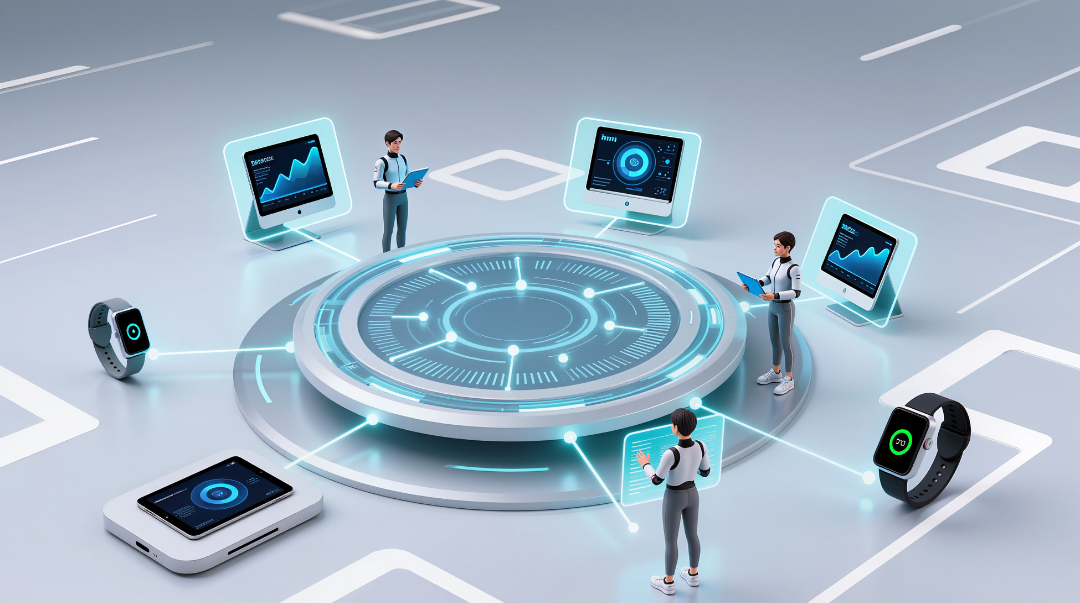
The world’s demand for data has never been greater, and neither has its dependence on artificial intelligence.
From generative AI to real-time analytics, new workloads are reshaping the physical and operational DNA of data centers. But while most of the focus has been on GPUs, power density, and cooling innovation, there’s another equally critical shift underway: the rise of a new data center workforce.
AI is redefining the skills, structures, and strategies required to build and manage mission-critical infrastructure, forcing operators to rethink not just how they design facilities, but who they hire to run them.
AI Is Transforming Infrastructure, and the People Who Support It
AI-driven workloads are fundamentally different from traditional enterprise applications. They require massive power, advanced cooling, and ultra-efficient data flows, all of which have a direct impact on workforce demands.
In this new ecosystem:
- Electrical engineers must design for extreme power density and energy optimization.
- Mechanical teams are adopting liquid-cooling expertise previously rare outside high-performance computing.
- Controls and automation specialists are integrating machine learning into facility operations, optimizing power and performance in real time.
- Data analysts and AI integration engineers are bridging the gap between IT and facility systems.
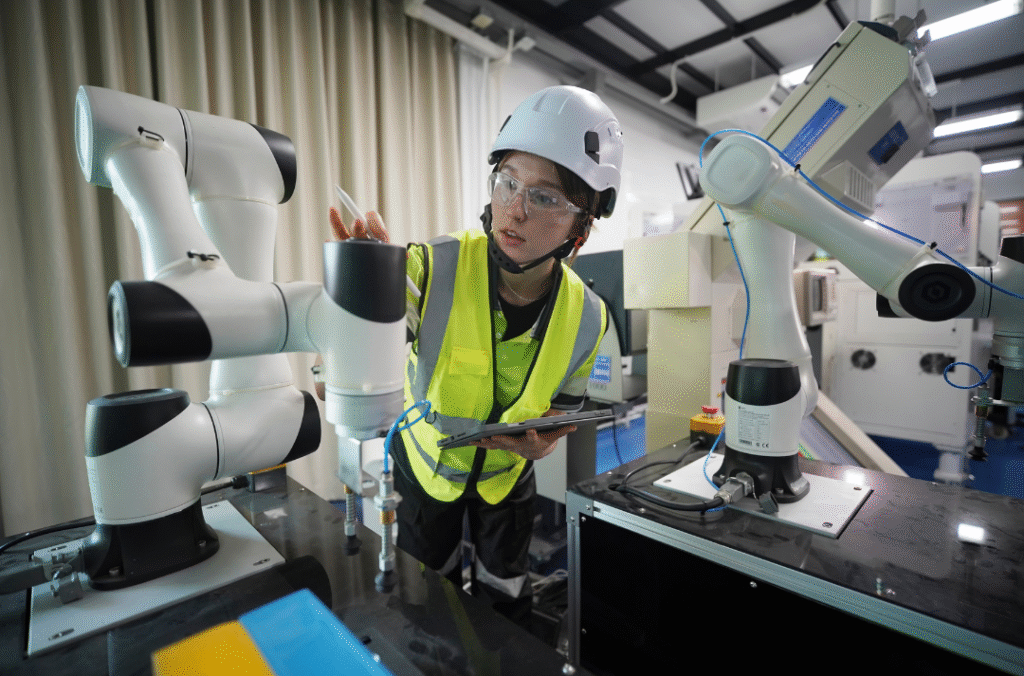
The result? Data centers are no longer hiring solely for construction or maintenance, they’re hiring for cross-functional technical fluency.
The Growing Gap Between Legacy Skills and Modern Demands
The rapid acceleration of AI deployment has left many organizations with a widening “skills gap.”
Existing teams, built around legacy IT and mechanical systems, now face environments that demand AI literacy, automation awareness, and software–hardware integration.
According to CBRE’s 2025 Global Data Center Trends Report, over 70% of operators plan to increase hiring for automation and monitoring roles in the next 12 months, yet qualified candidates remain scarce.
This shift means the traditional job titles that powered the industry a decade ago, network engineer, facilities technician, MEP designer, are evolving into hybrid roles that blend engineering, analytics, and systems thinking.

Why Hiring Models Must Evolve Too
It’s not just the skillsets changing, it’s the structure of hiring itself.
Data centers can no longer rely on long, static hiring cycles or broad, generalized recruiting.
Instead, they’re adopting more flexible and specialized hiring models designed for the speed and complexity of AI infrastructure growth:
- Project-Based Recruiting
As AI facilities scale quickly, many operators bring in contract specialists for electrical or mechanical commissioning phases. This will ensure expertise without permanent overhead. - Hybrid Technical Teams
Combining full-time core staff with fractional or consulting experts allows organizations to stay nimble. This is critical in an industry evolving faster than traditional org charts can adapt. - Strategic Workforce Partnerships
Companies are aligning with recruiting partners that specialize in mission-critical environments. Who are capable of anticipating needs across both data center and AI verticals. - Continuous Upskilling
Leading organizations are investing in ongoing training and cross-functional learning. Meant to prepare current employees for next-generation technologies rather than replacing them.
In short, AI is forcing talent strategy to become as agile as the technology itself.

The Rise of the “AI-Ready” Data Center Workforce
Just as facilities are being reengineered for higher density and efficiency, the workforce must be reengineered for adaptability.
Tomorrow’s high-performing teams will blend traditional engineering rigor with digital dexterity, professionals who can interpret data, automate processes, and think strategically about infrastructure scalability.
Operators that recognize this shift now will gain a decisive competitive advantage in 2026 and beyond. Those that don’t risk falling behind, not because of outdated equipment, but because of outdated workforce models.
How DataCenter TALNT Helps Operators Stay Ahead
At DataCenter TALNT, we help organizations adapt their hiring strategies for the AI era.
Our team specializes in sourcing cross-disciplinary talent, professionals fluent in both the physical and digital aspects of mission-critical operations.
Through our Recruitment Specializations and Managed Talent Solutions, we connect operators with AI-ready engineers, project controls experts, automation technicians, and integration specialists. These experts are driving the future of digital infrastructure.
“AI is transforming data centers, but people will always power progress.”

The Takeaway
AI is no longer just changing what data centers do. it’s changing who they need.
By rethinking hiring models today, operators can ensure they have the flexibility, innovation, and expertise to thrive in tomorrow’s intelligent infrastructure landscape.
Partner with DataCenter TALNT to build the workforce that’s ready for what’s next.