

Why Data Center Projects Fail Quietly Before They Ever Miss a Deadline
This article examines how data center projects experience early execution strain before schedule impacts occur, with a focus on workforce stability, operational signals, and leadership visibility in 2026.
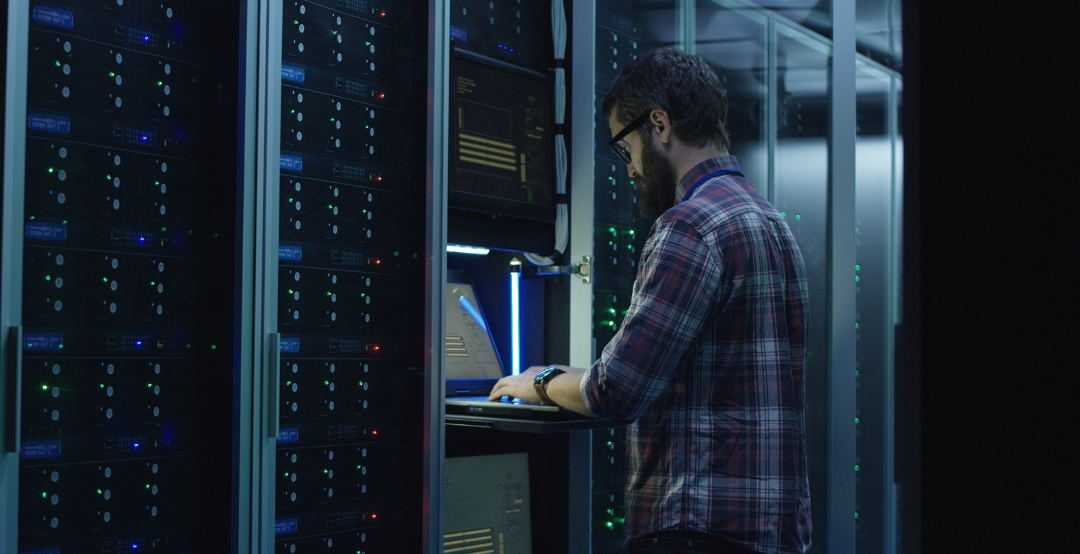
Most data center projects do not collapse overnight.
They do not fail with a single missed milestone or an obvious breakdown. Instead, they drift. Everything appears on track. Schedules hold. Crews show up. Progress continues.
Until it does not. Teams allow projects to fail quietly for months before missing a deadline.
The Illusion of “On Track”
Early in a data center build, problems rarely announce themselves clearly.
Projects can appear healthy while underlying issues grow beneath the surface. Progress reports look acceptable. Daily activity continues. Leadership confidence remains intact.
This illusion is dangerous.
Quiet failure thrives in environments where:
- The organization prioritizes output over stability.
- Short-term fixes mask long-term issues
- Leadership stays removed from day-to-day execution strain.
Throughout these conditions, the warning signs are present, but they are easy to rationalize away.

The Early Signals Leaders Often Miss
The earliest indicators of trouble are rarely technical. They are operational and human.
Common signals include:
- Crew composition changing frequently between phases
- Key individuals becoming single points of failure
- Overtime becoming standard instead of occasional
- Knowledge gaps covered by experience rather than training
Individually, these issues seem manageable. Collectively, they signal instability.
Projects do not fail because people are not working hard. Systems absorb excessive stress, causing projects to fail.
Why These Issues Stay Invisible
Quiet failure persists because early symptoms are easy to normalize.
Most project teams are accustomed to problem solving. They adapt, compensate, and push through.

This adaptability is often mistaken for resilience.
In reality, it is often masking structural weaknesses in workforce planning, role clarity, and continuity. The project keeps moving, but the margin for error disappears.
By the time leadership sees the full picture, options are limited.
Workforce Instability Is Often the Root Cause
When projects fail quietly, labor is frequently at the center of the issue.
Not because talent is unavailable, but because:
- The right skills are not present at the right phases
- Workforce demand was underestimated early
- Continuity between phases was not planned
These challenges rarely show up in isolation. They compound slowly until execution becomes fragile.
At that point, even small disruptions can cause outsized delays.
What Experienced Leaders Learn to Watch For
Seasoned data center leaders learn to look beyond surface-level progress.

They monitor:
- Consistency, not just coverage
- Fatigue, not just headcount
- Knowledge transfer, not just task completion
These leaders understand that stability today determines speed tomorrow.
When early signals are addressed proactively, projects regain control before disruption becomes visible.
Why This Matters More in 2026
As data center projects scale in size and complexity, tolerance for volatility is shrinking.
In 2026:
- Owners expect fewer surprises
- Reporting requirements are tighter
- Safety and quality expectations are higher
- Workforce instability carries greater financial and reputational risk
Quiet failure is no longer something teams can afford to ignore.
The Role of Early Workforce Oversight
Preventing quiet failure requires visibility into labor patterns, not just schedules.
Workforce partners must be able to:
- Identify stress points before they escalate
- Flag continuity risks between phases
- Align staffing decisions with long-term execution goals
This is where organizations like Data Center TALNT add value beyond fulfillment. The goal is not to react faster, but to recognize patterns earlier and act with intention.

The Takeaway
Deadlines are rarely missed without warning.
The warning signs are present long before failure becomes obvious. The difference between successful projects and struggling ones is whether leaders choose to see them.
In 2026, the most effective data center teams will be those who treat early signals as opportunities, not inconveniences.
Quiet failure is preventable. But only if it is recognized in time.