

Why Traditional Staffing Models Are Colliding With Data Center Project Reality in 2026
Traditional staffing models were built for speed, not sustained execution. In 2026, data center projects demand workforce strategies designed for continuity, accountability, and performance across every phase of the build.
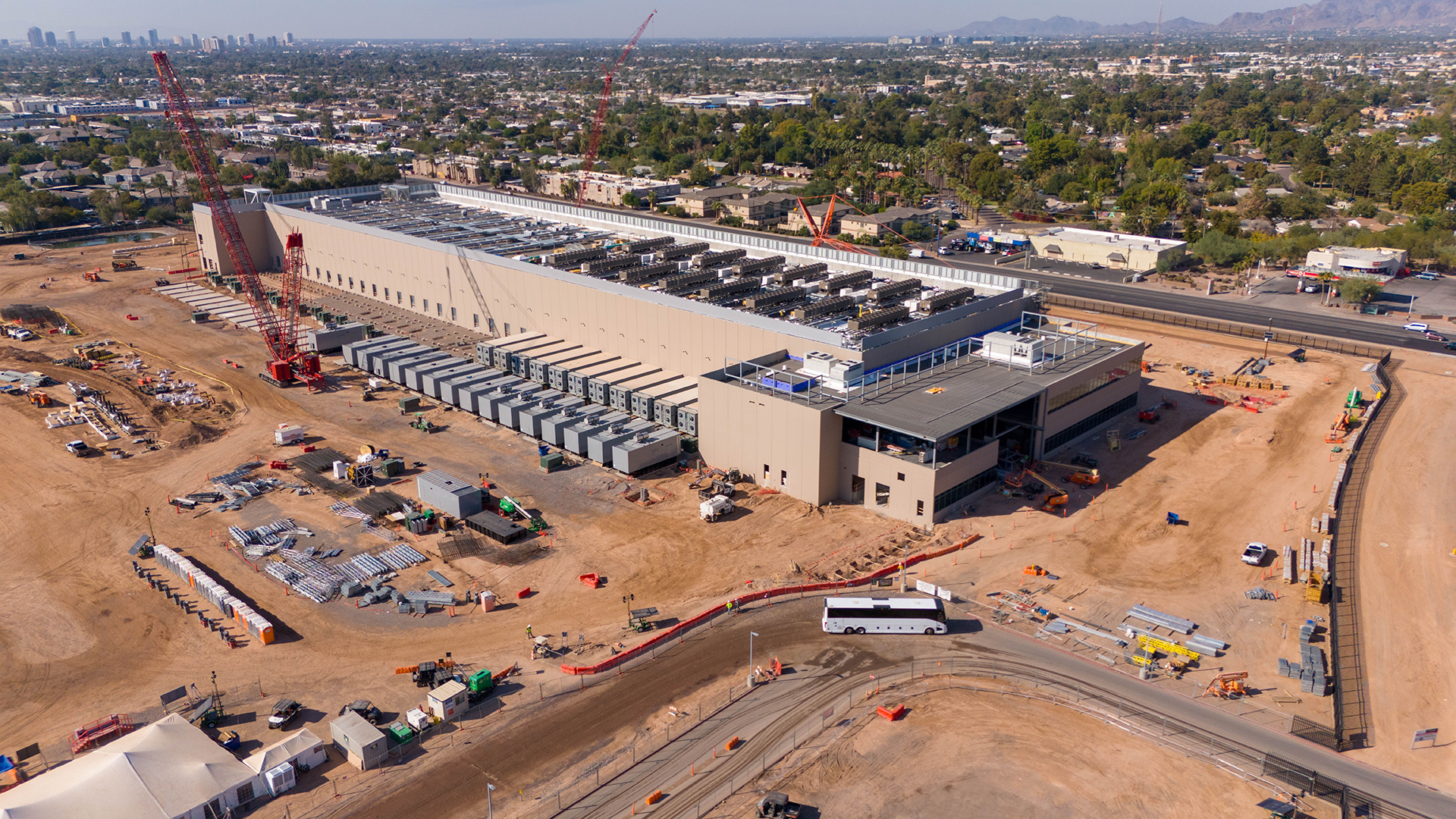
For years, staffing in data center construction has followed a familiar pattern. A role opens. A request is made. Labor is sourced. Work begins.
That model was built for a different era.
Data center projects are larger, faster-moving, and more operationally complex than the staffing structures designed to support them. What once worked as a transactional solution is now colliding with a reality that demands continuity, foresight, and accountability across every phase of the build.
This collision is not theoretical. It is already shaping project outcomes.
How Traditional Staffing Models Were Designed to Function
Most traditional staffing models are optimized for speed and volume.
Their core strengths include:
- Rapid role fulfillment
- Short-term labor placement
- Reactive response to immediate needs
- Success measured by starts, not outcomes
In stable environments, this approach can be effective. In highly phased, interdependent data center builds, it introduces risk.

Why Data Center Projects Expose the Cracks
Data center construction does not progress in a straight line. Phases overlap. Scope shifts. Commissioning requirements tighten as projects advance.
Staffing decisions made early have downstream consequences later.
When labor is treated as interchangeable, projects experience:
- Disruptions during critical handoffs
- Loss of institutional knowledge between phases
- Increased retraining as crews rotate in and out
- Reduced accountability for long-term performance
These issues rarely trace back to a single hire. They emerge from a system that prioritizes placement over alignment.
The Cost of Treating Workforce as a Commodity
In 2026, workforce stability has become an operational input, not a byproduct.
When staffing models focus solely on filling roles, they overlook:
- Project-specific experience requirements
- Leadership continuity
- Team cohesion across milestones
- The cumulative impact of turnover
The result is not always visible in early reporting. It shows up later as slowed commissioning, quality challenges, and increased management overhead.

Why Speed Alone Is No Longer a Competitive Advantage
Speed without structure introduces volatility.
Consequently, projects that rely exclusively on transactional staffing often find themselves continuously rehiring for the same roles, managing performance inconsistencies, and absorbing avoidable risk.
Projects that rely exclusively on transactional staffing often find themselves continuously rehiring for the same roles, managing performance inconsistencies, and absorbing avoidable risk.
What Modern Data Center Staffing Actually Requires
Staffing models that perform well in 2026 share common characteristics.
They are designed to support:
- Phase-aware workforce planning
- Leadership alignment, not just labor supply
- Continuity across project milestones
- Predictable ramp-down and redeployment
This requires deeper integration between workforce partners and project teams. Staffing is no longer an external function. It is an operational one.

The Shift From Vendor to Workforce Partner
As projects grow more complex, the role of staffing providers must evolve.
Owners and contractors benefit most from partners who:
- Understand data center build sequencing
- Anticipate workforce inflection points
- Flag leadership gaps early
- Share accountability for outcomes, not just placements
This shift changes the conversation from “how fast can you fill this role” to “how do we protect execution over time.”
Why This Shift Will Define Project Performance in 2026
The data center industry is not facing a labor shortage alone. It is facing a model mismatch.
Projects that adapt their staffing approach to reflect execution reality gain stability, predictability, and control. Those that rely on outdated models absorb hidden risk that compounds as builds scale.
In 2026, success will not belong to the fastest staffing provider. It will belong to the workforce partners who understand how people, phases, and performance intersect.

Connecting Talent. Fueling Growth.
Data Center TALNT partners with owners, contractors, and trade partners to deliver workforce strategies built for modern data center execution. Staffing is no longer about filling roles, it is about sustaining performance.